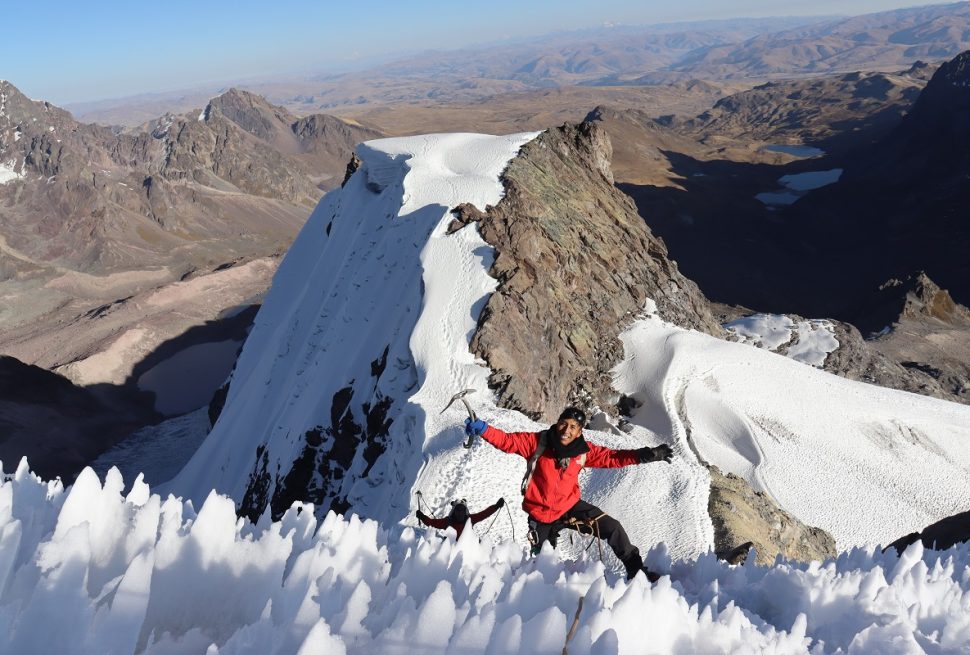
The classic Ausangate Trek is already one of Peru’s most spectacular hikes. Yet for those who crave deeper solitude and uncharted landscapes, there are several alternative Ausangate Trek routes that go even further—offering untouched beauty, high-altitude challenge, and powerful cultural encounters.
These lesser-known trails take you beyond the typical 5-day circuit. From the turquoise waters of Lake Sibinacocha to unexplored passes and rare wildlife sightings, these routes are perfect for experienced trekkers looking for something different.
In this blog, we explore the most exciting alternative Ausangate treks, their highlights, differences from the main route, and how to prepare for each one.
Why Choose an Alternative Ausangate Trek?
If you’re considering a non-standard route, it’s likely because you value:
- Fewer tourists
- Higher levels of wilderness
- Unique geography (like alpine lakes or volcanoes)
- Cultural authenticity
- A more personalized trekking experience
Choosing an alternative Ausangate Trek allows you to customize your adventure while still witnessing the grandeur of the Cordillera Vilcanota.
Top Alternative Routes to the Ausangate Trek
1. Ausangate to Sibinacocha Trek
Duration: 7 days
Difficulty: Challenging
Max altitude: 5,200 m (17,060 ft)
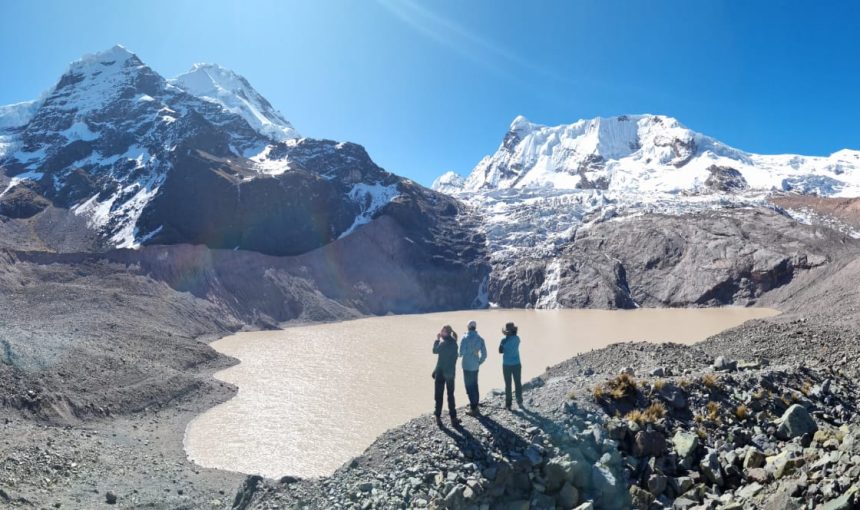
This is the most well-known extended alternative. The route follows the traditional Ausangate circuit for 3 days and then diverges south toward Lake Sibinacocha, one of the largest high-altitude lakes in Peru.
Highlights:
- Crossing high passes like Palomani (5,100 m) and Jampa (5,090 m)
- Camping near glacial lakes and hot springs
- Traversing remote plains inhabited by wild vicuñas
- Arrival at the crystalline blue waters of Sibinacocha, surrounded by snowcapped peaks
Who it’s for:
Trekkers with previous high-altitude experience who want a deep wilderness experience and total disconnection from civilization.
2. Ausangate + Rainbow Mountain + Red Valley
Duration: 6 days
Difficulty: Moderate to challenging
Max altitude: 5,036 m (16,522 ft)
This route combines the best of the classic trek with an early morning arrival at Rainbow Mountain (Vinicunca) and a descent through the colorful Red Valley, known for its Martian-like terrain.
Highlights:
- Reaching Rainbow Mountain before the crowds
- Traversing the lesser-known Red Valley
- Passing through small Andean communities
- Opportunity to visit Pacchanta hot springs at the end
Who it’s for:
Travelers who want the iconic photo spots, but with an extended trek that avoids the one-day tour groups.
3. Laguna Singrenacocha and Hidden Glaciers Route
Duration: 4–5 days
Difficulty: Moderate
Max altitude: 4,900 m
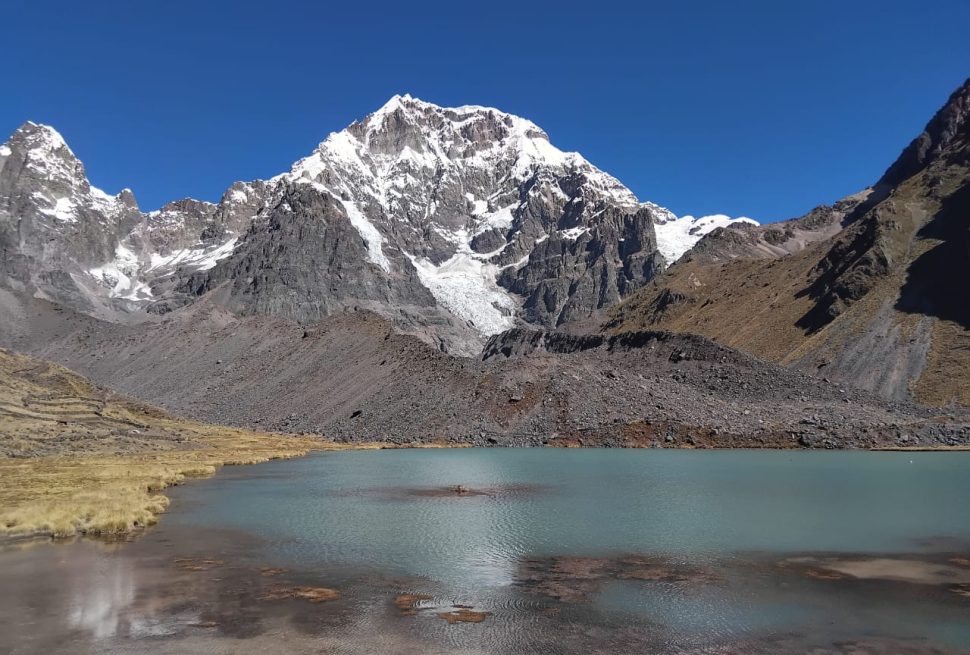
This lesser-trekked circuit focuses on the eastern side of Ausangate, starting near the brilliant turquoise Lake Singrenacocha, and exploring valleys beneath hanging glaciers.
Highlights:
- One of the most photogenic lakes in Peru
- Fewer visitors than Rainbow Mountain or classic circuit
- Ideal for short expeditions and photography trips
Who it’s for:
Hikers who want a shorter trek and stunning visuals without the full circuit commitment.
4. Pacchanta Basecamp + Day Hikes (Soft Alternative)
Duration: 2–3 days
Difficulty: Easy to moderate
Max altitude: 4,400 m
Base yourself in Pacchanta, a highland village with thermal springs, and take daily hikes to nearby lakes like Azul Cocha, Pucacocha, and the lower flanks of Ausangate.
Highlights:
- Easy access from Cusco
- Warm lodge or homestay lodging
- No need for mules or tents
- Great for acclimatization or short trips
Who it’s for:
Families, beginner trekkers, or travelers short on time who still want to experience Ausangate’s beauty.
5. Circuito Ananiso – Qampa Pass Variant
Duration: 6–7 days
Difficulty: Challenging
Max altitude: 5,100 m
This circuit enters the Ausangate range via Ananiso Canyon, a narrow gorge carved by red rock and waterfalls, before looping around the eastern and northern faces of Ausangate through the Qampa Pass.
Highlights:
- Dramatic red canyons and sharp rock formations
- Views of rarely seen flanks of Ausangate
- Strong Andean cultural presence in nearby villages
- A rugged and less-defined path for adventure seekers
Who it’s for:
Experienced trekkers with GPS navigation skills or those going with specialized guides.
How Do These Routes Compare to the Classic Circuit?
| Feature | Classic Ausangate Trek | Alternative Routes |
|---|---|---|
| Duration | 5 days | 2–7 days (varies) |
| Altitude | Up to 5,200 m | Similar or slightly higher |
| Crowds | Moderate | Very low |
| Accommodation options | Camping/lodge mix | Mostly camping |
| Cultural encounters | Limited | More contact with isolated communities |
| Scenic diversity | Glaciers, lakes, passes | Lakes, red valleys, canyons, wildlife |
| Logistics | Well-established | Require more planning and expertise |
What You Need to Know Before Choosing an Alternative Route
- Altitude still applies
All routes require solid acclimatization in Cusco. Spend 2–3 days there before starting. - Logistics are more complex
Some trails lack clear signage, requiring professional guides and local knowledge. - You’ll need to be self-sufficient
Especially on routes like Sibinacocha, where you are days from the nearest road. - Seasonality matters
Dry season (May to September) is best. Rainy months make river crossings and trail conditions more dangerous. - Support team is key
A good agency with experienced guides, cooks, and muleteers can make or break your trip.
Who Should Choose an Alternative Ausangate Trek?
- Trekkers who’ve already done the classic circuit
- Photographers seeking rare angles and light
- Travelers who dislike crowds
- Adventure-seekers wanting a deeper experience
- Anyone wanting to connect more with local communities and nature