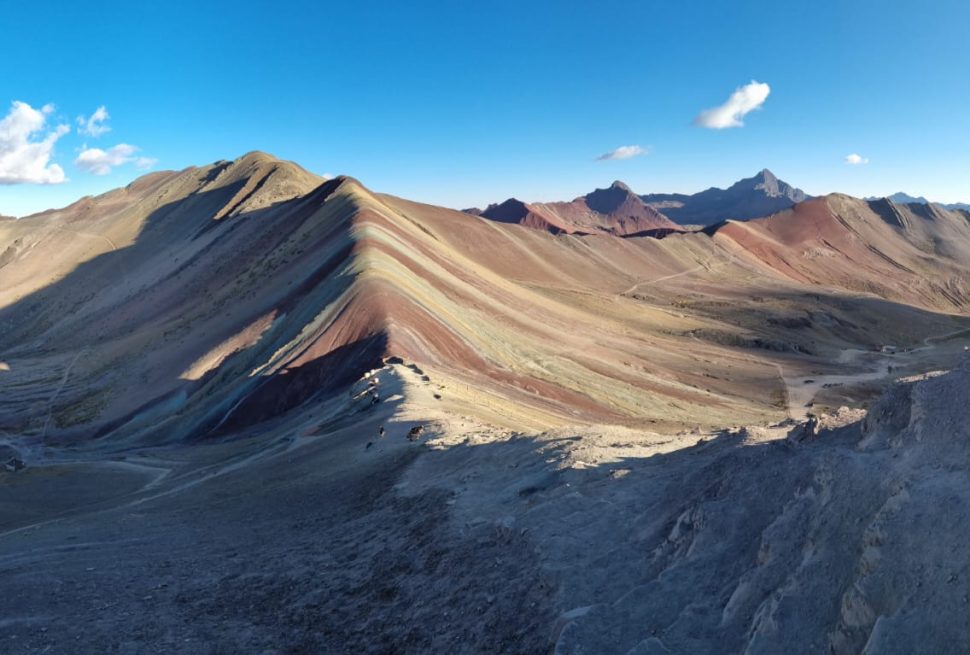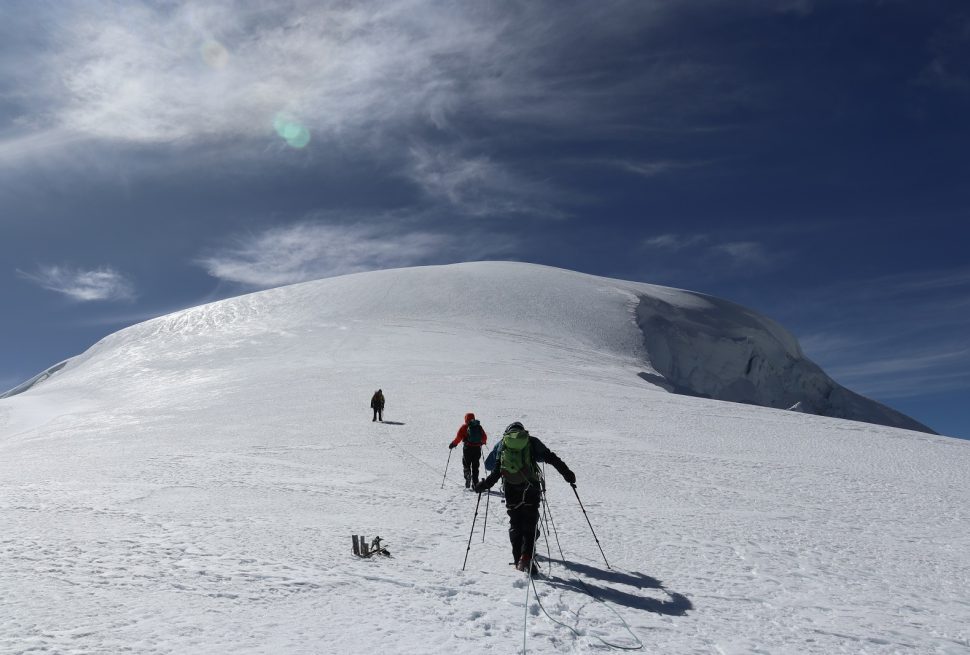
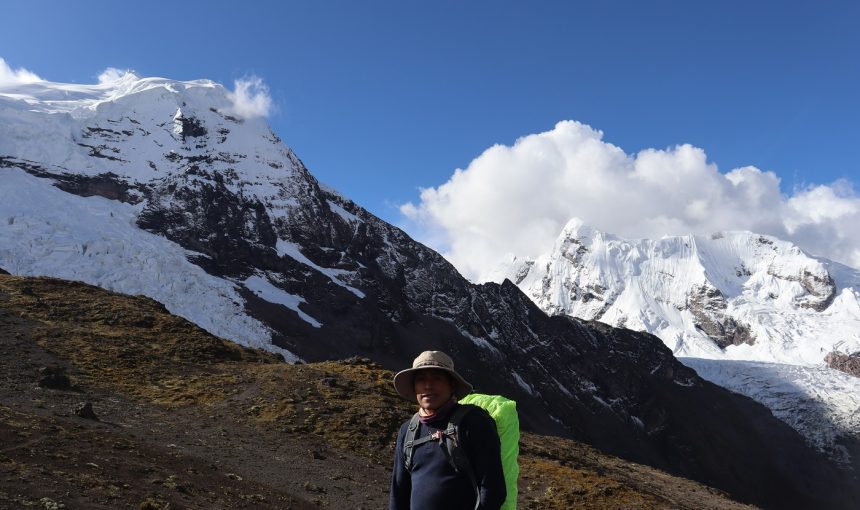
The Ausangate trek without guide has become increasingly popular among independent travelers who seek freedom and adventure in the Peruvian Andes. This high-altitude route, located in the Vilcanota mountain range of Cusco, covers approximately 63 kilometers and is usually completed in 4 to 5 days of trekking.
Years ago, hiking the Ausangate trek without guide was a real challenge due to the lack of trail markings and reliable maps. Today, thanks to GPS tracking apps like Wikiloc and other trekking platforms, the trail is clearly marked, with accessible paths and designated campsites that make solo trekking more feasible — though still demanding.
Route Overview
The classic Ausangate trek without guide begins in the small Andean village of Tinke and finishes in Pacchanta, a hot spring village at the foot of the sacred Ausangate Mountain. Along the way, trekkers pass through stunning natural landscapes — turquoise lagoons, snow-capped peaks, and herds of alpacas grazing freely in the valleys.
The route is challenging due to its altitude, with several passes above 5,000 meters, including the Palomani Pass (5,200 m), the highest point of the trek. Acclimatization is essential before starting the journey.
Entrance Fees and Campsites
While doing the Ausangate trek without guide, you will encounter several entrance and camping fees charged by local communities that maintain the trails and campsites. Current approximate costs include:
- Upis: S/ 20.00
- Laguna Ausangate: S/ 20.00
- Huchuy Phinaya: S/ 20.00
- Pucacocha: S/ 10.00 – S/ 15.00 (varies)
These small fees help support the communities and preserve the trekking route. Always carry cash in Peruvian soles, as there are no ATMs along the trail and other currencies are not accepted.
Cultural Respect and Safety
The Ausangate trek without guide passes through remote Quechua-speaking communities where daily life revolves around herding alpacas and llamas. As a visitor, it’s essential to respect local people, their animals, and their land.
Avoid disturbing livestock or entering private areas without permission. While most locals are kind and welcoming, remember that this is their home. Basic Spanish or Quechua phrases can help create a respectful connection.
Because this is an unguided trek, you must also be cautious with your belongings and campsites, especially when trekking solo. Petty theft can occasionally occur, so it’s wise to secure your gear and avoid leaving valuables unattended.
Food, Supplies, and Water
During the Ausangate trek without guide, you may find small shops in some camps selling snacks, soft drinks, or beer — but prices are higher due to the difficulty of transporting goods to such remote areas.
Bring enough supplies for 5 days, even if you plan to complete the trek in 4. Weather, altitude, or fatigue can delay progress, so it’s best to have an extra day’s food.
Water Safety Tips
Never drink directly from rivers or lagoons. The water may contain bacteria from alpacas, horses, or other animals grazing nearby. Always boil, filter, or treat water with chlorine tablets before consuming.
Health and Altitude Tips
Trekking the Ausangate route without guide means you are fully responsible for your health and preparation. Bring essential medications for altitude sickness, headaches, stomach issues, fever, and muscle pain.
Traditional Andean remedies such as coca leaves and agua florida (floral water) are also helpful for altitude discomfort. Staying hydrated and walking slowly are key to avoiding soroche (altitude sickness).
Is It Safe to Do the Ausangate Trek Without a Guide?
Yes, but only if you are well-acclimatized, physically fit, and experienced in multi-day treks. The altitude, cold temperatures, and isolation make this a route suitable for intermediate to advanced hikers.
The Ausangate trek without guide offers a rare sense of freedom — waking up to glacial lakes, setting up your own camp, and following the trails of the ancient Andes. Yet it also requires full responsibility for your logistics, safety, and navigation.
Optional Support Services
Even if you plan to do the Ausangate trek without guide, you can still hire local support for parts of your journey:
- Horsemen (arrieros) to carry equipment.
- Pack horses for luggage and camping gear.
- Local guides for technical sections or added safety.
Contact The Ausangate Trek to request a personalized quote for hiring a horse, muleteer, or mountain guide for your self-guided trek. We’ll help you make your adventure safer and smoother — while keeping your independence intact.