
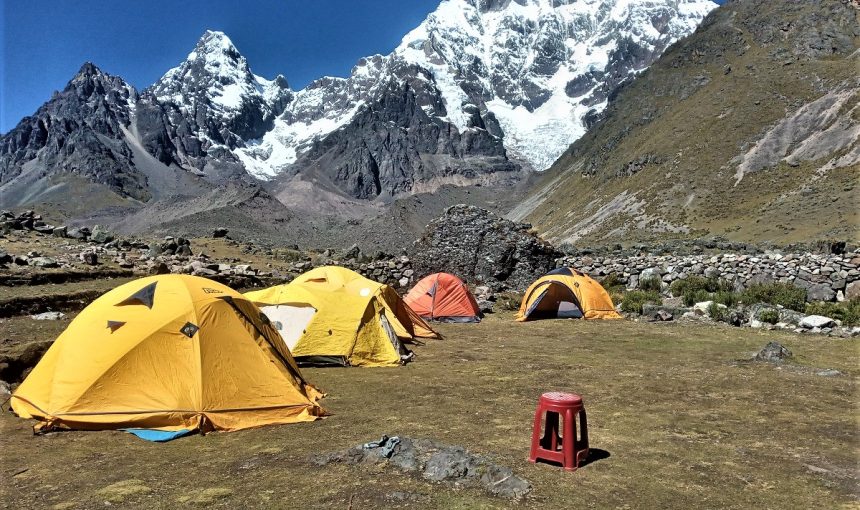
Planning your hike in the Andes? Knowing the weather in Ausangate trek is essential to prepare for the journey. This high-altitude adventure in the Peruvian Andes brings you through snowcapped peaks, turquoise lagoons, and remote Andean villages — but also exposes you to unpredictable mountain weather.
In this article, we’ll break down the typical climate conditions, dry and wet season differences, and monthly temperature patterns so you know exactly what to expect during your Ausangate hike.
Overview of Ausangate’s Mountain Climate
At altitudes ranging from 4,300 to over 5,200 meters above sea level, the weather in Ausangate trek is defined by:
- Thin atmosphere and high UV radiation
- Strong daytime sun and cold nighttime temperatures
- Rapid weather shifts, including snow, wind, and storms
The trek does not have tropical heat; instead, it offers a cold alpine climate with extreme variation between day and night, dry and wet seasons.
Weather in the Dry Season (May to September)
This is the best time to hike the Ausangate circuit and the most popular season among trekkers.
Temperature and Precipitation
- Daytime temps: 10°C to 18°C (50°F to 64°F)
- Nighttime temps: -5°C to -10°C (14°F to 23°F)
- Precipitation: Very low (clear skies)
- Trail condition: Dry, stable, and less slippery
Pros and Cons
Pros:
- Consistently clear views of the mountains
- Safer trail conditions
- Easier logistics for transport and camping
Cons:
- Cold nights and early mornings
- High UV exposure during the day
- More trekkers on the trail
Weather in the Wet Season (October to April)
If you’re wondering whether to hike during the wet season, understanding the weather in Ausangate trek during these months is crucial.
Rain, Clouds, and Muddy Trails
- Daytime temps: 12°C to 20°C (54°F to 68°F)
- Nighttime temps: 0°C to 5°C (32°F to 41°F)
- Precipitation: Frequent rain or snow, especially in January and February
- Trail condition: Muddy, slippery, higher risk of landslides
Pros and Cons
Pros:
- Fewer hikers
- Greener landscapes with dramatic clouds
- Slightly warmer nights
Cons:
- Poor visibility of mountains
- Risk of trail closures or delays
- Wet gear and difficult camping
Month-by-Month Weather Guide for Ausangate
| Month | Conditions | Trekking Recommendation |
|---|---|---|
| January | Heavy rain, clouds | Not recommended |
| February | Peak of rainy season | Not recommended |
| March | Rain decreasing, muddy trails | Risky but possible |
| April | Transition to dry season | Fair, with preparation |
| May | Dry, crisp, great views | Excellent for trekking |
| June | Sunny, clear, cold nights | Peak season – excellent |
| July | Coldest nights, great visibility | Excellent |
| August | Stable, dry, high UV | Excellent |
| September | End of dry season, still good | Good |
| October | Rain begins, mixed conditions | Moderate, weather-dependent |
| November | Increasing rain and clouds | Caution advised |
| December | Rainy, occasional snow | Not ideal |
Packing Tips Based on Weather
Understanding the weather in Ausangate trek is essential for packing the right gear:
- For dry season:
- Thermal layers, gloves, and a down jacket for cold nights
- Sunglasses, sunscreen, and lip balm for sun protection
- Lightweight base layers for daytime warmth
- For wet season:
- Waterproof jacket and pants
- Quick-dry clothing and extra socks
- Rain cover for backpack and dry bags for electronics
- Year-round essentials:
- Trekking poles for stability
- Water filter or purification tablets
- First aid kit and altitude medication


