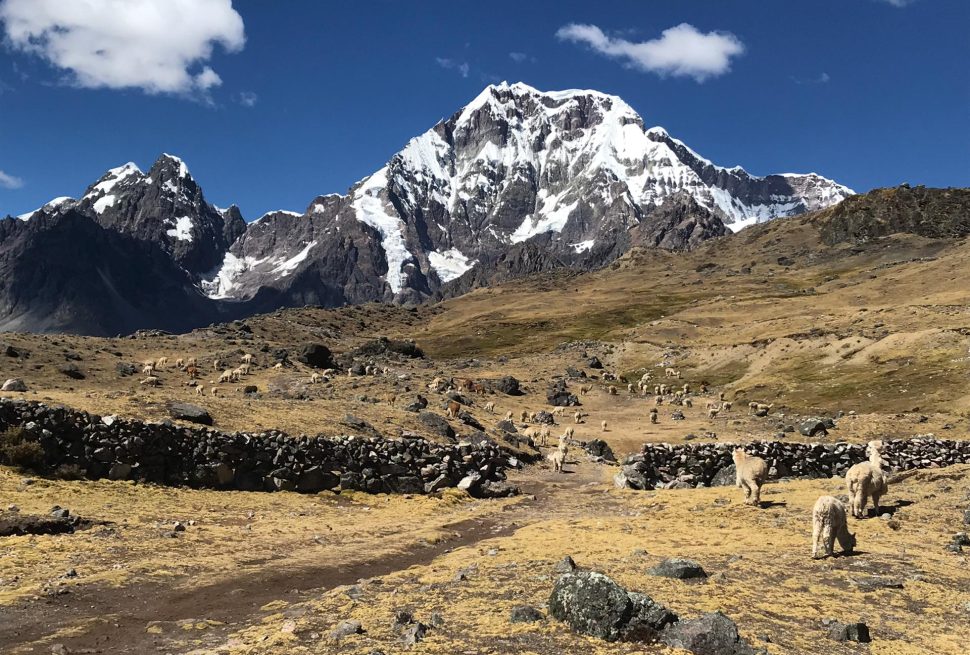
The Ausangate Trek is widely considered one of the most beautiful hikes in Peru—but also one of the most physically demanding. From high-altitude passes above 5,000 meters to long daily hikes through remote Andean terrain, many travelers ask: how difficult is the Ausangate Trek?
In this guide, we break down the Ausangate Trek difficulty, explain the physical and altitude challenges, and share tips on how to prepare your body and mind for one of the most rewarding trekking adventures in South America.
Is the Ausangate Trek Difficult? Short Answer: Yes, But Achievable
The Ausangate Trek is classified as moderate to difficult, primarily due to its:
- High altitude (up to 5,200 meters / 17,060 feet)
- Length and duration (5 to 7 days)
- Remote location (no access to towns or rescue infrastructure)
- Temperature extremes (nights below freezing)
That said, with proper acclimation, physical preparation, and a good guide, most healthy individuals with hiking experience can complete it safely and enjoyably.
Key Difficulty Factors
Let’s explore the main factors that contribute to the Ausangate Trek difficulty:
1. Altitude
This is the biggest challenge of the trek.
- The trek never drops below 4,300 m (14,100 ft).
- Multiple passes exceed 5,000 m (16,400+ ft).
- There is no time for gradual acclimation during the trek itself.
Symptoms of altitude sickness can include headache, nausea, dizziness, and shortness of breath. Proper acclimatization in Cusco for at least 2–3 days before the trek is essential.
2. Physical Demands
Daily hikes range from 10 to 16 kilometers (6 to 10 miles), with elevation gain and loss of up to 600 meters per day.
- Trekking hours: 6 to 8 hours per day
- Terrain: Mostly dirt paths, rock, and scree
- Some steep ascents and descents
- No technical climbing, but sustained exertion at altitude
You do not need to be a marathon runner, but a good base level of fitness is important.
3. Weather and Temperature
Weather is unpredictable, especially at high elevations. You may face:
- Freezing temperatures at night (down to -10 °C / 14 °F)
- Strong sun exposure during the day
- Occasional snow or hail at high passes
- Wind chill at exposed areas
Staying warm, dry, and well-equipped adds to the physical demands.
4. Remoteness and Isolation
There are no villages or roads along most of the route. You’ll be:
- Camping in basic conditions
- Away from electricity, Wi-Fi, or phone signal
- Walking in very quiet, unmarked areas
This makes it a true wilderness experience—but also increases risk in case of illness or fatigue. You must be self-reliant or with an experienced guide.
Daily Challenges: What Each Day Involves
Here’s a typical overview of the 5-day version of the Ausangate Trek:
| Day | Distance | Max Elevation | Challenge |
|---|---|---|---|
| 1 | 9–11 km | 4,400 m | Gentle warm-up, acclimatization camping |
| 2 | 11–13 km | 4,850 m | First pass, uphill climb, longer day |
| 3 | 10–12 km | 5,200 m | Highest point (Ausangate Pass), tough but rewarding |
| 4 | 9–11 km | 5,036 m | Rainbow Mountain, cold morning, steep sections |
| 5 | 7–9 km | 4,300 m | Easier descent, but tired legs |
Some versions include additional passes, lakes, or connection to Sibinacocha, which increase both duration and difficulty.
Fitness Level Required
You don’t need to be an elite athlete—but you should be:
- Comfortable walking 6–8 hours per day
- Capable of carrying a daypack with water and layers
- Able to recover overnight and repeat effort for several days
- Familiar with uneven terrain and basic outdoor conditions
If you regularly go hiking, jogging, cycling, or swimming, you’re likely in good shape. The main challenge is the altitude, not the terrain.
Is the Ausangate Trek for Beginners?
It depends.
If you’ve never hiked at altitude or gone on a multi-day trek before, Ausangate may not be the best first experience unless:
- You have excellent physical fitness
- You acclimate properly
- You go with a professional guide and support team
- You’re mentally prepared for discomfort and changing weather
For complete beginners, a shorter acclimatization hike (like Lares, Salkantay, or 7 Lakes of Ausangate) may be a better starting point.
How to Train for the Ausangate Trek
Start training at least 4–6 weeks before your trek, focusing on:
1. Endurance
- Walk or hike for 2–3 hours at least twice per week
- Practice uphill climbs and descents
2. Cardiovascular fitness
- Include aerobic exercise: running, swimming, cycling, HIIT
- Work on steady breathing and stamina
3. Strength
- Leg strength (squats, lunges, step-ups)
- Core stability (planks, crunches)
- Light backpack training (load your daypack)
4. Mental toughness
- Practice being uncomfortable—cold, tired, and outdoors
- Prepare for low comfort and high reward
How to Make the Trek Easier
- Acclimate for 2–3 days in Cusco before starting
- Hydrate constantly to help your body adjust
- Use trekking poles for balance and support
- Hire a mule or porter to carry your main backpack
- Choose a reputable agency with a slow, well-paced itinerary
- Sleep well and eat nutritious meals (carbohydrate-heavy)