
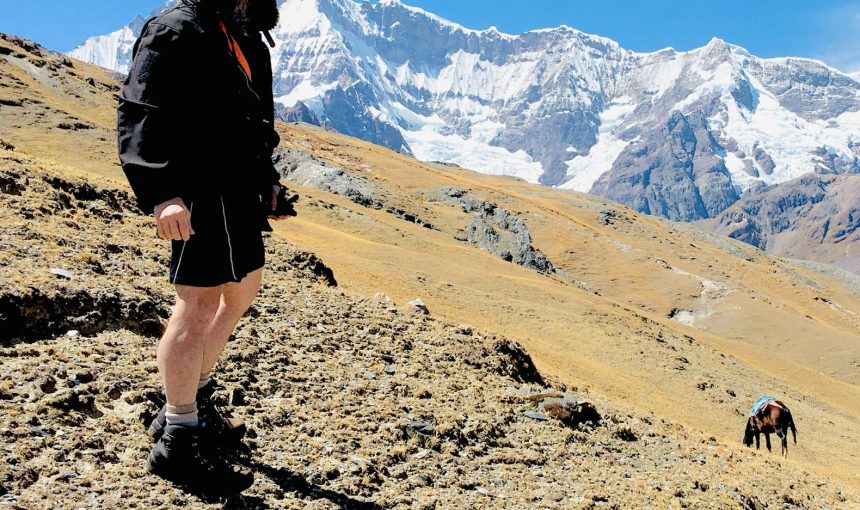
Choosing between the Ausangate Trek vs Lares Trek is a common dilemma for adventurous travelers in Peru. Both are exceptional alternatives to the Inca Trail, offering authentic Andean landscapes and cultural depth. However, they differ widely in terms of difficulty, altitude, scenery, and the kind of experience you’ll have on the trail.
This guide offers a side-by-side comparison of both treks, with detailed information about routes, daily itineraries, elevation profiles, costs, and seasonal recommendations. Whether you’re a high-altitude trekker or a cultural explorer, this comparison will help you choose the right trail for your next Andean adventure.
At a Glance: Ausangate Trek vs Lares Trek
| Feature | Ausangate Trek | Lares Trek |
|---|---|---|
| Max Altitude | 5,200 m (17,060 ft) | 4,600 m (15,092 ft) |
| Duration | 5 to 7 days | 3 to 5 days |
| Scenery | Glaciers, lakes, Rainbow Mountain | Valleys, rivers, farming terraces |
| Difficulty | High | Moderate |
| Cultural Contact | Minimal, remote | High interaction with communities |
| Crowds | Very low | Low |
| Access | Pacchanta (3.5 hrs from Cusco) | Lares town (2.5 hrs from Cusco) |
Itinerary Comparison: What Each Trek Looks Like
Typical 5-Day Ausangate Trek Itinerary
- Day 1: Cusco – Pacchanta – Upis Camp
Arrival at the trailhead, thermal baths, hike along glacier-fed rivers.
Elevation: 4,200 m – 4,400 m - Day 2: Upis – Arapa Pass – Pucacocha
Spectacular glacial valleys and alpine lakes.
Elevation: 4,400 m – 4,850 m - Day 3: Pucacocha – Palomani Pass – Ausangatecocha
Highest point of the trek: 5,200 m. Jaw-dropping views.
Elevation: 4,600 m – 5,200 m – 4,600 m - Day 4: Ausangatecocha – Jampa Pass – Pacchanta
Final pass, with panoramic views and return to thermal springs.
Elevation: 4,600 m – 5,100 m – 4,200 m - Day 5: Pacchanta – Cusco
Easy walk or relax at the hot springs before returning to the city.
Typical 4-Day Lares Trek Itinerary
- Day 1: Cusco – Lares Hot Springs – Huacahuasi
Scenic drive, cultural visit, and hot spring soak.
Elevation: 3,200 m – 3,800 m - Day 2: Huacahuasi – Ipsaycocha Pass – Patacancha
Community encounters, weaving demonstrations.
Elevation: 3,800 m – 4,600 m – 3,700 m - Day 3: Patacancha – Ollantaytambo
Downhill hike through farms and ruins. Train to Aguas Calientes. - Day 4: Machu Picchu Visit
Guided visit to the citadel, return to Cusco by train and bus.
Note: The Lares Trek often includes Machu Picchu at the end, while the Ausangate Trek does not.
Landscape and Natural Highlights
Ausangate Trek
- Towering glaciers (Ausangate, Mariposa, Callangate)
- Deep blue and turquoise alpine lakes
- Herds of alpacas and vicuñas in high-altitude plains
- Rainbow Mountain and Red Valley (optional extension)
- Remote and untouched terrain
This trek is a visual feast for mountain lovers and nature photographers.
Lares Trek
- Andean farming villages and terraced hillsides
- Waterfalls and warm valleys
- Panoramic passes with Incan trails
- Potato fields, llamas, and local shepherds
- Frequent interaction with children and weavers
Lares is ideal for travelers interested in Andean life, traditions, and rural development.
Difficulty and Altitude Acclimatization
Ausangate Trek
- High altitude throughout: rarely below 4,000 m
- Demanding passes above 5,000 m
- Cold temperatures and thin air
- Requires 2–3 days of prior acclimatization in Cusco or the Sacred Valley
- Suitable for experienced trekkers or those in excellent physical shape
Lares Trek
- Easier terrain and lower max elevation
- More forgiving for families and first-time hikers
- Gentle acclimatization as the trail climbs gradually
- More rescue access in case of altitude sickness
When comparing Ausangate Trek vs Lares Trek in terms of difficulty, Ausangate is far more intense and requires preparation.
Cultural Experience
Lares Trek
- Rich cultural immersion
- Visit local homes and weaving cooperatives
- Opportunities to support community-based tourism
- Spanish and Quechua-speaking guides often translate live conversations
- Learn about medicinal plants, traditional clothing, and agriculture
Ausangate Trek
- Very few villages along the trail
- Occasional interaction with alpaca herders or llama caravans
- Greater connection with Pachamama (Mother Earth) through isolation and landscapes
- More focused on nature than on people
If your goal is cultural exchange, Lares Trek is the clear winner.
Best Time to Hike Each Trek
Both treks follow the Andean dry season, but trail conditions and scenery vary slightly.
| Month | Conditions on Ausangate | Conditions on Lares Trek |
|---|---|---|
| April–May | Clear skies, green valleys | Ideal weather and blooming plants |
| June–August | Dry and cold, best for photos | Busy season, but excellent weather |
| September | Crisp mornings, fewer tourists | Still good, fewer crowds |
| October | Start of rains, but still passable | Warmer, with some cloud cover |
| Nov–March | Wet season, snow and fog likely | Trails slippery but still open |
Ausangate can become snowbound in rainy season, while Lares is more accessible year-round.
Costs and Tour Options
| Item | Ausangate Trek (5D) | Lares Trek + Machu Picchu (4D) |
|---|---|---|
| Group tour | $450–$600 USD | $550–$750 USD (with Machu Picchu) |
| Private tour | $750–$1,200 USD | $900–$1,400 USD |
| Horse rental (per day) | $25–$30 USD | Optional (less used) |
| Guide & cook | Included in all packages | Included in all packages |
| Camping gear | Included | Included |
| Train ticket to MP | N/A | $60–$100 USD (round trip) |
| Entrance to MP | N/A | $45–$60 USD |
Ausangate Trek:
- Requires more logistics (transport to Pacchanta, horses, warm gear)
- No Machu Picchu visit, but more raw wilderness
- Few agencies offer luxury versions
Lares Trek:
- Easier to combine with Machu Picchu
- Greater variety of packages, including luxury treks
- Better for families and comfort-seeking travelers
Verdict: Which Trek Should You Choose?
| You Prefer… | Choose… |
|---|---|
| Stunning alpine views, glaciers, raw nature | Ausangate Trek |
| Cultural interaction and local communities | Lares Trek |
| High-altitude adventure and challenge | Ausangate Trek |
| A route to Machu Picchu with fewer crowds | Lares Trek |
| Solitude, photography, and off-grid feel | Ausangate Trek |
| Moderate hikes with meaningful human contact | Lares Trek |
Final Thoughts
When comparing the Ausangate Trek vs Lares Trek, the decision depends on your goals. Are you looking for a physical challenge surrounded by pristine wilderness? Then Ausangate is for you. Do you want to connect with local people and combine your trek with a Machu Picchu visit? Then Lares is the better option.
Both treks are unforgettable and far from the crowds of the Inca Trail. No matter which you choose, The Ausangate Trek can help you plan the right itinerary based on your interests, fitness level, and time.
Ready to start your Andean adventure?
Get in touch for expert advice and custom trek planning from professionals who know every route in the Vilcanota mountain range.


