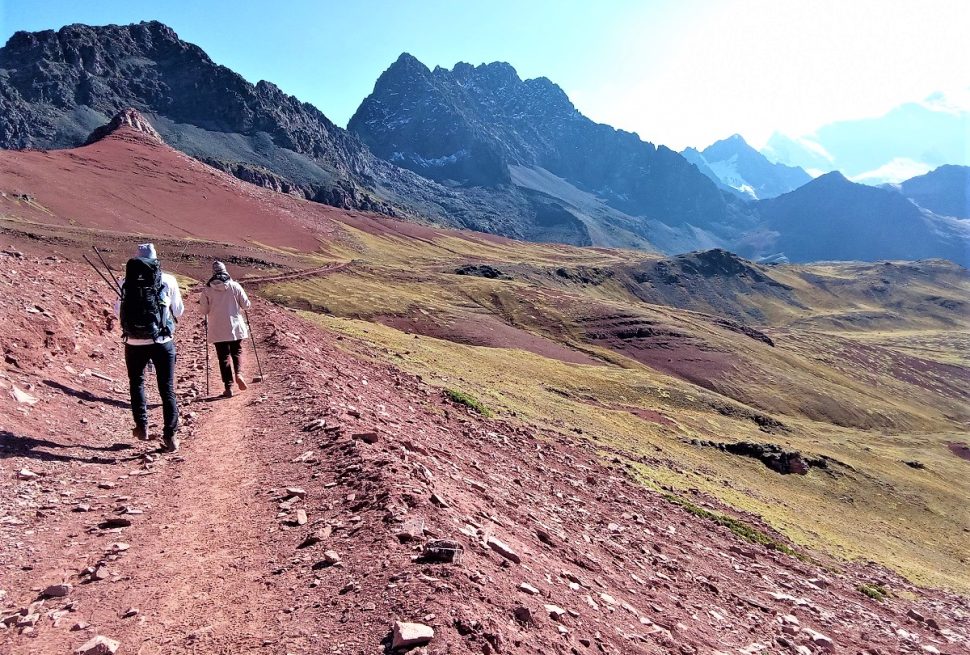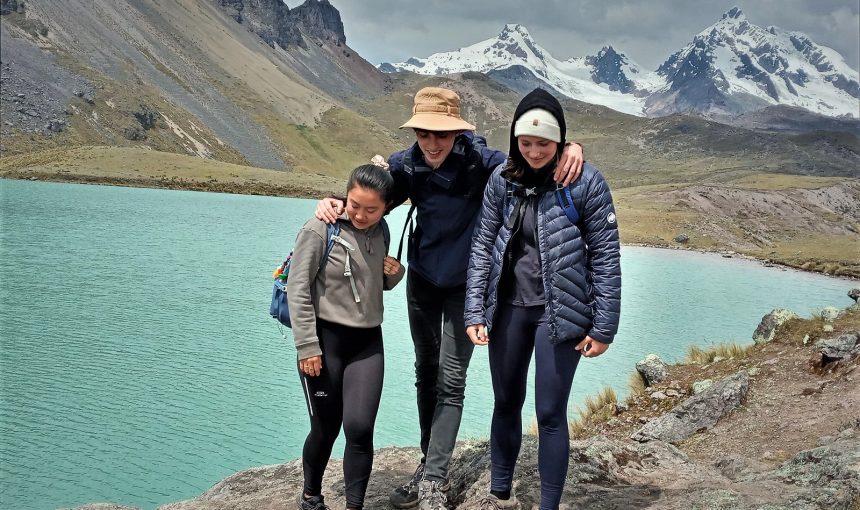
If you’re wondering what to pack for Ausangate trek, you’re in the right place. This remote and challenging trek in the Peruvian Andes requires more than just good hiking boots. At elevations above 4,000 meters, weather conditions can change rapidly, and being well-equipped is essential for safety, comfort, and enjoyment.
In this guide, we’ll break down everything you need to bring for the Ausangate Trek, whether you’re going independently or with a guided tour. From clothing layers to sleeping bags, from hydration tips to small but essential extras—this is the checklist that will make or break your experience.
Understanding the Ausangate Trek Conditions
Before we get into the list, it’s crucial to understand why packing right is non-negotiable.
Weather and Temperature
- Altitude: Most of the trail sits between 4,000 and 5,200 meters
- Daytime temperatures: 10°C to 18°C (50°F to 64°F)
- Nighttime: Often drops to -5°C (23°F) or colder
- Seasons: Dry season (May–September) is best, but still cold at night
Altitude and Terrain
- The trail includes mountain passes, rocky paths, snow patches, and high-altitude lakes
- Weather can switch between sun, wind, hail, and snow in a single day
- There are no shops or emergency facilities along the route
Essential Clothing Layers
Dressing in layers is key to adapting to changing conditions during the day.
1. Base Layer (Moisture-Wicking)
- 2 long-sleeve thermal shirts (merino or synthetic)
- Thermal leggings
2. Insulating Layer
- Fleece or down jacket (800 fill or higher)
- Insulated pants (optional but recommended)
3. Outer Layer (Rain and Wind Protection)
- Waterproof, windproof jacket (Gore-Tex recommended)
- Rain pants or poncho
Footwear and Accessories
Your feet will do the hard work. Keep them dry, warm, and supported.
Hiking Boots
- Waterproof, broken-in, with good ankle support
- Insulated if trekking in early April or late October
Socks
- 3–4 pairs of wool or synthetic hiking socks
- Optional: liner socks to reduce blisters
Trekking Poles
- Help reduce knee stress and improve balance
- Telescopic and lightweight models are ideal
Other Accessories
- Gaiters (for snow or mud)
- Warm hat, sun hat
- Gloves (light and insulated pair)
- Sunglasses (UV-protected, glacier grade if possible)
- Buff or neck gaiter for wind and sun protection
Camping and Sleeping Gear (for Independent Trekkers)
If you’re not joining a guided tour, you’ll need to carry your own camping equipment.
- 4-season tent (capable of withstanding wind and snow)
- Sleeping bag rated to at least -10°C (14°F)
- Sleeping pad or inflatable mattress
- Lightweight stove + fuel
- Cooking pot, utensils, lighter
- Water filter or purification tablets
- Headlamp with extra batteries
Personal Items and Toiletries
Even if you’re going with an organized tour, these items are essential.
- Passport and copy
- Travel insurance with evacuation coverage
- Sunscreen SPF 50+
- Lip balm with SPF
- Biodegradable soap, toothbrush, toothpaste
- Wet wipes and hand sanitizer
- Small towel
- Toilet paper and sealable plastic bag (pack out your waste)
- First aid kit: altitude pills (acetazolamide), ibuprofen, anti-diarrheals, plasters, etc.
Snacks and Hydration
Keeping your energy and hydration levels up is crucial at altitude.
- 1–2 L water bottle or hydration bladder
- Electrolyte tablets or powders
- Energy bars, trail mix, dried fruits, nuts
- Coca leaves or coca candy (to help with altitude)
Electronics and Documentation
- Phone + waterproof case
- Power bank or solar charger
- Camera (with memory card + spare battery)
- Printed map or GPS app (e.g., Maps.me or AllTrails)
- Emergency contacts written down
Extras That Make a Difference
These aren’t essential—but they’re often life-savers on the trail.
- Lightweight sandals (for camp or river crossings)
- Notebook and pen
- Duct tape (for repairs or blisters)
- Trash bag (pack out all waste)
- Extra ziplock bags (for organization)
- Earplugs (if sleeping near others)
Ausangate Trek Packing List Summary
| Item Category | Essentials |
|---|---|
| Clothing | Base layer, down jacket, waterproof jacket, trekking pants |
| Footwear | Hiking boots, wool socks, gaiters |
| Accessories | Trekking poles, gloves, sunglasses, hat |
| Sleeping Gear | 4-season tent, warm sleeping bag, mattress |
| Toiletries | Biodegradable soap, wipes, toilet paper, first aid kit |
| Food & Water | Snacks, electrolytes, water bottle, filter |
| Electronics | Phone, camera, charger, GPS |
| Other | Sunscreen, headlamp, duct tape, passport |
Final Tips
- Pack light but smart: Every gram counts at altitude
- Test your gear: Don’t bring brand new boots or untested equipment
- Layering wins: You’ll go from freezing mornings to sunny afternoons
- Plan for the worst: Even in dry season, weather can surprise you
Still unsure what to pack for Ausangate trek?
The Ausangate Trek team provides detailed briefings and can even rent or include gear in your package. Contact us to learn more or book a fully supported expedition.