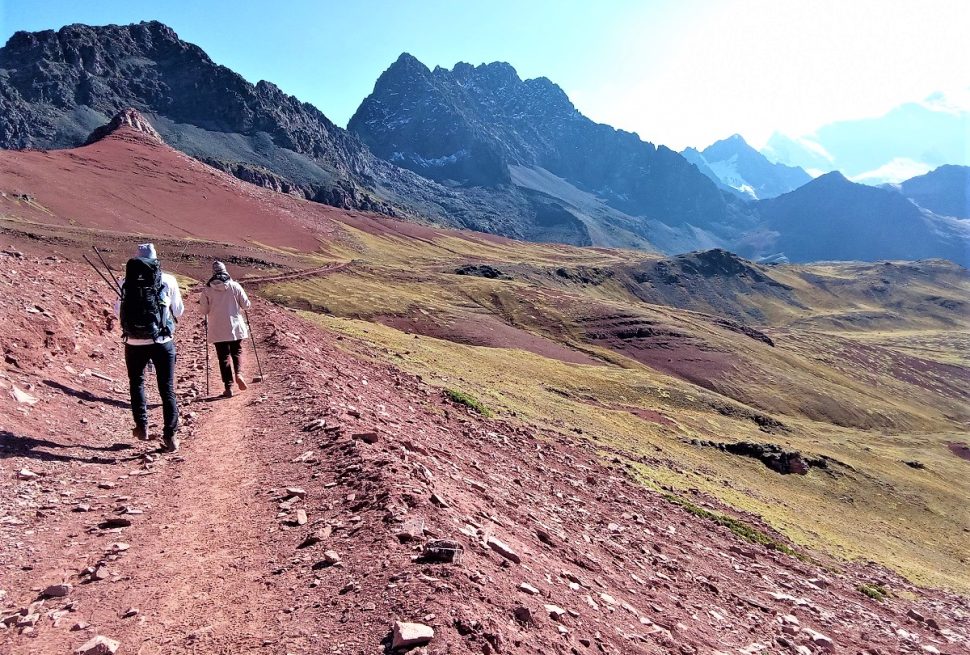
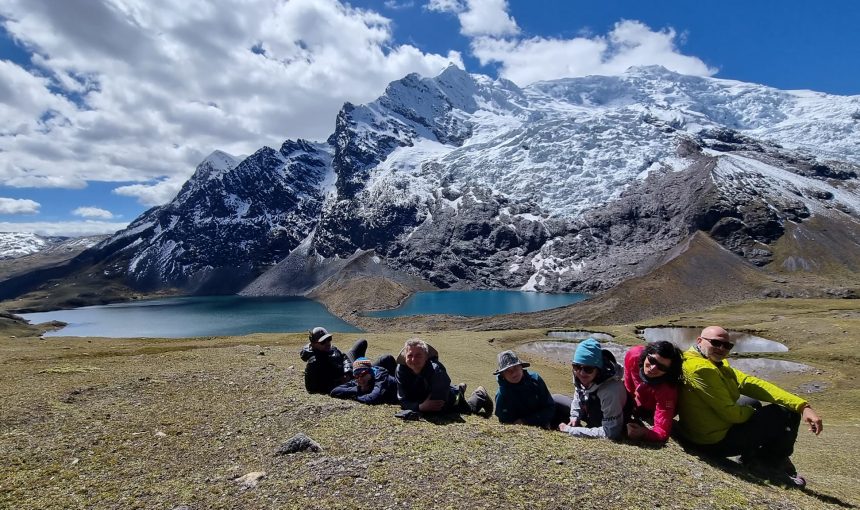
The Ausangate Trek is an unforgettable high-altitude adventure, but its elevations—often above 4,500 meters and reaching up to 5,200 meters—can pose serious risks if you’re not properly prepared. That’s why acclimation for Ausangate Trek is a critical part of your pre-trip planning. In this guide, we’ll explain how to acclimate in Cusco, recognize symptoms of altitude sickness, and follow expert tips to stay healthy and strong during your trek.
Why Is Acclimation Important for the Ausangate Trek?
Unlike many treks in Peru that start at lower elevations, the Ausangate route begins at around 4,300 meters and consistently climbs to altitudes above 5,000 meters. With little time to adjust, your body is at greater risk of developing altitude sickness, also known as acute mountain sickness (AMS).
Proper acclimation reduces the chances of:
- Headaches and dizziness
- Nausea and loss of appetite
- Fatigue or shortness of breath
- Dangerous conditions like pulmonary or cerebral edema
Being well-acclimated can be the difference between enjoying the trek and having to abandon it.
Understanding the Altitude on the Ausangate Trek
Here’s an overview of typical elevation points along the Ausangate Trek:
| Location | Elevation (m) | Elevation (ft) |
|---|---|---|
| Cusco (start point) | 3,400 m | 11,155 ft |
| Upis (first camp) | 4,400 m | 14,435 ft |
| Arapa Pass | 4,850 m | 15,912 ft |
| Palomani Pass | 5,200 m | 17,060 ft |
| Apacheta Pass | 4917 m | 16,131 ft |
| Warmisaya Pass | 5,000 m | 16,404 ft |
| Rainbow Mountain | 5,036 m | 16,522 ft |
This elevation profile makes acclimation for Ausangate Trek absolutely essential.
How Long Should You Acclimate in Cusco?
Most trekking experts recommend a minimum of 2–3 full days in Cusco before starting the trek. During this period, your body begins to adapt to the thinner air and reduced oxygen levels.
Ideal acclimation schedule:
- Day 1: Arrive in Cusco and rest.
- Day 2: Light activity (e.g., walking tour of Cusco).
- Day 3: Optional moderate hike (e.g., Sacsayhuamán or Sacred Valley).
Some trekkers even include a shorter acclimatization hike like the Humantay Lake or Rainbow Mountain (as a preview) before committing to the full Ausangate circuit.
Tips to Help Your Body Acclimate
Proper acclimation for Ausangate Trek is not only about time spent at altitude—it’s also about how you treat your body during the process. Follow these evidence-based strategies to help your body adjust to thin air and avoid common mistakes that lead to altitude sickness.
1. Take It Slow
During your first 48 to 72 hours at altitude, slow down your pace in all activities—walking, climbing stairs, and even talking. High altitudes mean less oxygen per breath, and your body needs time to produce more red blood cells to compensate.
- Avoid strenuous hikes or high-intensity workouts early on.
- If possible, adopt the principle of “climb high, sleep low” during acclimatization hikes to gently increase your body’s exposure to altitude.
- Rest often and don’t rush—your pace should match your oxygen intake, not your enthusiasm.
2. Stay Hydrated
Dehydration is a major contributor to altitude sickness. At high elevation, your body loses fluids more quickly through breathing and urination, and you may not feel thirsty even when you’re becoming dehydrated.
- Drink 3 to 4 liters of water per day, depending on physical activity.
- Avoid alcohol, which dehydrates and depresses respiratory rate.
- Limit caffeine, especially coffee, in the first days—opt instead for herbal teas or hot water with lemon.
- Include electrolytes or rehydration salts to help retain fluid and balance minerals.
Tip: Clear urine is a sign you’re well-hydrated. Dark or infrequent urination can indicate dehydration.
3. Eat Light and Carbohydrate-Rich Meals
At altitude, your metabolism shifts, and your body prefers carbohydrates as a primary energy source. Eating heavy proteins or fatty meals can increase your digestive load, diverting oxygen away from more critical systems.
- Focus on easily digestible foods like bread, rice, pasta, potatoes, fruits, and soups.
- Eat small, frequent meals to maintain energy and avoid nausea.
- Avoid overeating at once—it can lead to bloating and discomfort, which are harder to manage at altitude.
Local Andean soups (e.g., quinoa soup or vegetable broth) are ideal acclimatization meals: light, warming, and rich in nutrients.
4. Use Coca Products (Traditional Andean Remedy)
Coca leaves have been used for centuries by indigenous Andean communities to combat the effects of altitude. While not a medical cure, they have mild stimulant properties that help improve circulation and oxygen utilization.
- Drink coca tea (mate de coca) 2 to 3 times per day.
- Chew coca leaves slowly with a small amount of bicarbonate (available in markets).
- Avoid taking them late at night, as they may cause light stimulation.
Note: Coca products are legal in Peru but may be considered illegal in other countries. Avoid transporting them internationally.
5. Consider Acetazolamide (Diamox)
Acetazolamide is a prescription medication commonly used to prevent and reduce the symptoms of altitude sickness. It works by stimulating breathing and helping your body absorb more oxygen.
- Typically taken in doses of 125–250 mg twice daily, starting 1–2 days before ascending.
- Especially useful for people with a history of AMS or ascending rapidly.
Consult your healthcare provider before traveling, especially if you have heart or kidney conditions, as this medication may not be suitable for everyone.
Note: Diamox may cause side effects like frequent urination, tingling in hands and feet, or a metallic taste. These are normal and often fade with time.
6. Avoid Sleeping Pills
At altitude, your breathing slows down naturally during sleep. Sleeping pills, including benzodiazepines and over-the-counter antihistamines, can suppress your respiratory rate even further, increasing the risk of oxygen deprivation during the night.
- Instead of medication, use natural sleep aids like muña tea (Andean mint), gentle breathing techniques, or meditation.
- If sleep is difficult, rest with your eyes closed and focus on controlled breathing—quality rest matters even if you’re not fully asleep.
- Sleeping slightly propped up can help ease breathing during the night.
Recognizing the Symptoms of Altitude Sickness
It’s important to monitor your body and your group for signs of AMS. Early recognition and response are key to preventing serious problems.
Mild Symptoms:
- Headache
- Fatigue
- Dizziness
- Nausea
- Loss of appetite
Moderate to Severe Symptoms:
- Difficulty breathing at rest
- Confusion or loss of coordination
- Blue lips or fingertips
- Vomiting
- Inability to walk
If any severe symptoms appear, descend immediately and seek medical assistance.
What to Do If You Feel Sick During the Trek
- Stop and rest.
- Inform your guide immediately.
- Hydrate and breathe deeply.
- Do not ascend further if symptoms worsen.
- Descend to a lower altitude if symptoms persist.
Guided tours like those from The Ausangate Trek are equipped to manage these situations, and many carry oxygen or emergency equipment.
Fitness vs. Acclimation
Even if you’re physically fit, that doesn’t guarantee you’ll avoid altitude sickness. Some marathon runners struggle, while others who are less fit feel fine.
Key takeaway:
Fitness helps with endurance, but acclimation helps with survival. Don’t skip acclimatization days.
Should You Do a Pre-Trek Acclimatization Hike?
Yes. Doing a short hike at altitude before the Ausangate Trek is one of the best ways to acclimate.
Recommended warm-up hikes:
- Humantay Lake (4,200 m)
- Rainbow Mountain (5,036 m)
- Sacsayhuamán & Tambomachay (above 3,700 m)
These hikes condition your body, test your response to elevation, and help you identify any warning signs.
How Local Guides Help with Acclimation
Experienced guides are trained to:
- Monitor your physical condition during the trek
- Adjust the pace to your group
- Provide emergency support if needed
- Offer natural remedies like muña or coca tea
- Suggest breaks and hydration at the right times
Choosing a reputable agency that specializes in high-altitude trekking, like The Ausangate Trek, is an investment in your safety.
Packing for High Altitude
Bring essential items that support acclimatization and comfort:
- Water bottle or hydration pack (at least 2L)
- Electrolytes or rehydration salts
- Warm layers and gloves (cold worsens fatigue)
- Sun protection (UV is intense at altitude)
- Altitude medication (if prescribed)
- Small oxygen bottle (optional)
Having the right gear ensures your body uses its energy for acclimation, not staying warm or hydrated.