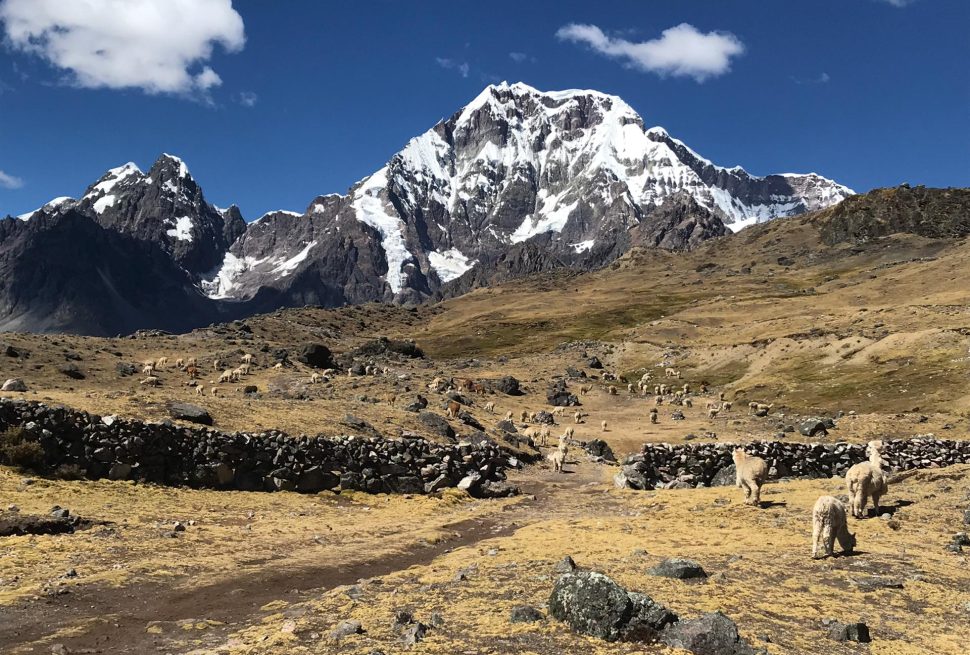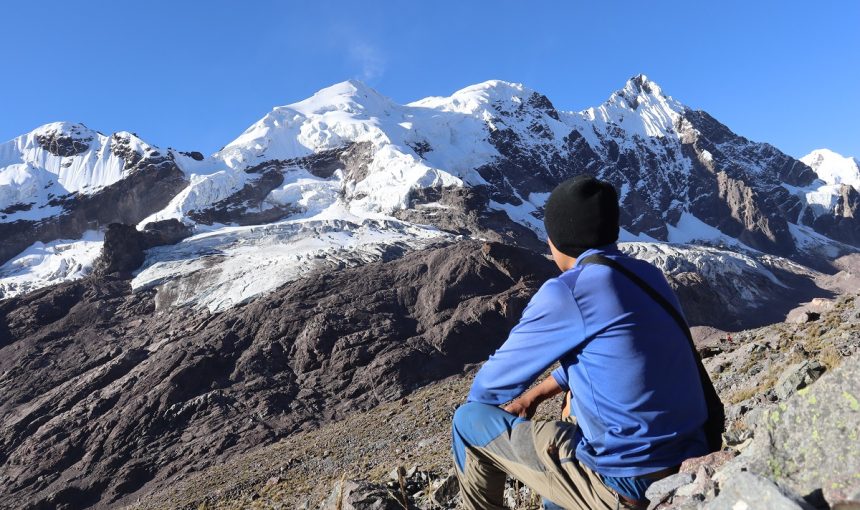
If you’re considering a multi-day hike in the Andes, one key question comes up: how hard is the Ausangate trek? This high-altitude adventure is among the most spectacular and remote treks in Peru, circling one of the most sacred mountains in the Andean world — the mighty Ausangate (6,384 m / 20,945 ft).
While the trail rewards hikers with stunning glaciers, colorful lagoons, and panoramic passes, it also demands serious physical and mental preparation. In this blog, we’ll explore what makes the trek challenging, compare it with other famous routes, and offer practical advice to help you decide if you’re ready to take on the Ausangate circuit.
What Makes the Ausangate Trek Challenging?
High Altitude (Above 5,000 m)
One of the biggest factors that explains how hard is the Ausangate trek is the altitude. The trek never drops below 4,300 m (14,100 ft), and some passes go over 5,200 m (17,060 ft), such as Palomani Pass — the highest point of the circuit.
At these elevations:
- Oxygen levels are significantly lower
- Altitude sickness is a real risk
- Even simple tasks can feel exhausting
Without proper acclimatization, your body may struggle to adapt to the thin air.
Long Distances and Daily Elevation Gain
A typical Ausangate trek itinerary (5 days) covers 60–70 km (37–44 miles), with 6 to 8 hours of hiking per day. Steep ascents and descents are common, and trails often cross uneven, rocky terrain or snowy sections.
You’ll be carrying a daypack or more, depending on your tour, which adds physical load.
Remote Terrain and Basic Campsites
Unlike more developed routes like the Inca Trail, the Ausangate trail:
- Has no permanent lodges or infrastructure
- Offers limited access to medical help
- Has basic campsites, often exposed to wind or snow
This isolation adds to the challenge, especially for hikers who are not used to sleeping in tents at high elevations.
How Fit Should You Be to Hike Ausangate?
Recommended Training
You don’t need to be a professional athlete, but yes — fitness matters. Before tackling the trek, we recommend:
- Cardiovascular endurance (running, hiking, biking)
- Strength training (legs, core, shoulders)
- Altitude simulation if available (e.g., high-altitude gyms)
- Day hikes with elevation gain (2–3 times per week)
Start training at least 6–8 weeks before your departure.
Acclimatization Strategy
If you’re asking how hard is the Ausangate trek, remember: altitude can turn any hike into a tough one. To minimize risk:
- Spend at least 2–3 days in Cusco before starting the trek
- Consider short acclimatization hikes (like Rainbow Mountain or Humantay Lake)
- Drink lots of water and avoid alcohol
- Consider coca tea or prescribed medication like acetazolamide
Experience Level Needed
The trek is considered challenging, but not technical. You don’t need climbing experience, ropes, or ice axes, but:
- Previous experience trekking above 3,000 m is highly recommended
- Multi-day hiking and camping background is a strong advantage
First-time trekkers should consider hiring a guide or joining an organized tour.
Difficulty Compared to Other Treks in Peru
If you’re still wondering how hard is the Ausangate trek, let’s compare it with two popular alternatives:
Ausangate vs. Inca Trail
| Feature | Ausangate Trek | Inca Trail |
|---|---|---|
| Altitude | 4,300 – 5,200 m | 2,400 – 4,200 m |
| Distance | ~70 km (5 days) | ~43 km (4 days) |
| Crowds | Very few trekkers | Heavily trafficked |
| Terrain | Wild, remote, cold | Well-built stone paths |
| Permits | No permit required | Permit required months ahead |
Verdict: The Inca Trail is easier in terms of altitude and logistics, but Ausangate is more remote and physically demanding.
Ausangate vs. Salkantay
| Feature | Ausangate Trek | Salkantay Trek |
|---|---|---|
| Altitude | 4,300 – 5,200 m | 2,000 – 4,600 m |
| Difficulty | More difficult | Moderate |
| Climate | Cold, dry or snowy | Varies (high jungle too) |
| Infrastructure | Minimal | More lodges & facilities |
Verdict: Ausangate is higher and colder, while Salkantay offers more comforts and variety. If you want a real wilderness challenge, Ausangate wins.
Tips to Prepare for a Successful Trek
Here’s how to make sure the Ausangate trek difficulty doesn’t overwhelm you:
- Acclimate properly: Spend days at altitude in Cusco or the Sacred Valley
- Choose the right season: May to September (dry season) is best
- Go guided if unsure: Especially for your first high-altitude trek
- Pack well: Cold-weather gear, water purification, and trekking poles are essential
- Listen to your body: Headaches, nausea, or fatigue can signal altitude sickness
Who Should Not Do the Ausangate Trek?
This trek is not recommended for:
- Travelers with serious respiratory or heart conditions
- People with no prior experience hiking or camping
- Those who cannot acclimate to altitude
- Families with young children
Final Verdict: How Hard Is the Ausangate Trek?
The Ausangate Trek is one of the most beautiful — and most physically demanding — hikes in Peru. The combination of altitude, distance, and remoteness makes it a true challenge for adventurous hikers.
If you’re reasonably fit, acclimated, and well-prepared, the trek is absolutely doable — and incredibly rewarding. But underestimate it, and it can become one of the hardest experiences of your trip.
Need expert help? At The Ausangate Trek, we specialize in high-altitude expeditions and offer fully supported treks with experienced guides, top-notch gear, and acclimatization strategies built into your itinerary.